

Best Cots For Newborns
Add a review FollowOverview
-
Founded Date Dezember 10, 1926
-
Sectors Restaurant & Food Services
-
Posted Jobs 0
-
Viewed 199
Company Description
5 Killer Quora Answers To Tots And Cots
Tots and Cots: A Comprehensive Guide for Parents
When it concerns ensuring a safe and comfy sleeping environment for children and toddlers, the options parents make– ranging from cribs to cots– can significantly impact their wellness. Today’s post dives deep into the complexities of choosing the very best sleeping arrangements for tots, stressing security, style, functionality, and how these options develop as a kid grows.

Understanding Tots and Cots
tots and cots [sound.co.id] normally refer to children, especially young children aged between 1 to 3 years, while cots are the sleeping plans specifically designed for babies and young children. The proper sleeping equipment for this age group consists of different kinds of cots, cribs, and toddler beds.
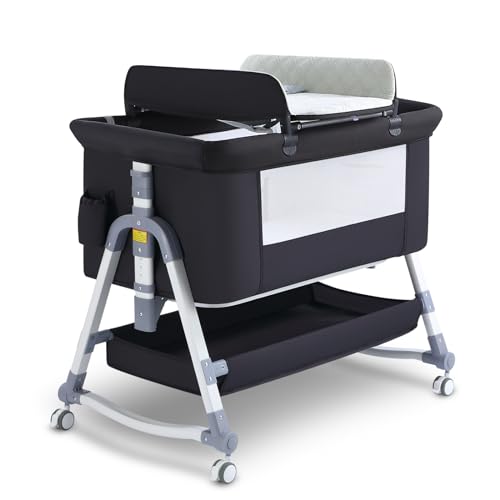
Types of Cots
Numerous designs exist to meet the varied needs of both moms and dads and children. Below is a list laying out the most typical types of cots readily available:
-
Standard Crib
- A standard crib is designed for infants and normally includes sides that can be adapted to different heights.
-
Convertible Crib
- This kind of crib can convert into a toddler bed, daybed, or full-sized bed as the child grows, making it a long-term financial investment.
-
Portable Crib
- Likewise referred to as travel cots, these are lightweight and easily foldable, ideal for taking a trip or smaller living areas.
-
Co-Sleeper
- A co-sleeper crib connects to the side of the parents‘ bed, permitting easy gain access to while guaranteeing the baby has a separate and safe sleeping area.
-
Toddler Bed
- A young child bed is a little bed that looks like a basic bed however is designed particularly for toddlers, normally featuring security rails.
-
Mini Crib
- Mini cribs are smaller than basic cribs, making them a fantastic alternative for tight spaces, however they appropriate for babies only.
Security Considerations
Guaranteeing security is critical when choosing a cot for a child. Here are critical safety guidelines moms and dads should consider:
- Check for CPSC Certification: Ensure that the cot abides by the Consumer Product Safety Commission (CPSC) standards.
- Avoid Drop-Sides: Cots with drop-sides have actually been connected to safety hazards, and the most recent safety regulations restrict them.
- Use a Firm Mattress: A firm bed mattress minimizes the threat of suffocation and ought to fit snugly within the cot.
- Keep Bedding Simple: Use a fitted sheet and prevent pillows, comforters, and stuffed animals that can posture suffocation hazards.
- Follow Weight and Age Guidelines: Ensure the child has not exceeded the cot’s weight limitation and is still within the advised age.
Transitioning from a Cot to a Toddler Bed
The shift from a cot to a toddler bed can be an emotional turning point for both moms and dads and children. Here are actions to relieve the shift:
Timing
Choosing when to shift can be subjective, but it’s usually recommended to make the switch between 18 months and 3 years, based upon aspects like:
- Physical Ability: If the child is climbing up out of the cot.
- Potty Training: Consider transitioning if the kid is bathroom training and requires much easier gain access to.
- Behavior: Exhibiting signs of maturity, such as following instructions or expressing a desire for self-reliance.
Tips for Making the Transition Smooth
-
Involve Your Child: Let the child pick their new bedding or bed design to impart enjoyment about the modification.
-
Keep Routine Consistent: Maintain the child’s bedtime regimen to offer comfort throughout this period of modification.
-
Explain the Change: Discuss the transition to a young child bed positively, making it seem like a great experience.
-
Security Measures: Place the bed against the wall or usage bed rails to avoid falling during sleep.
Choosing the Right Bed
When choosing a young child bed, moms and dads require to think about elements like:
- Height: Low-profile beds are ideal for toddlers who might fall out during sleep.
- Resilience: Ensure the bed can withstand active play in addition to sleep.
- Design and style: Choose a design that complements the child’s space and is interesting the child.
Picking the ideal cot for your youngster can be a daunting procedure, however understanding the choices available, essential security factors to consider, and the best timing for transitioning to a toddler bed can make this journey much easier for moms and dads. Investing time and effort into these decisions will guarantee that your child has a safe, comfortable, and nurturing sleep environment.
FAQs
1. What is the difference in between a cot and a crib?
- A cot is generally a smaller sized bed designed for younger toddlers, while a crib is a larger bed that is normally appropriate for babies up to 3 years old.
2. When should I move my kid from a crib to a young child bed?
- The transition time is normally between 18 months and 3 years; this change is based on the kid’s physical capabilities and behavioral signs.
3. How can I ensure my child is safe while sleeping?
- Always adhere to security standards, utilize a company mattress with an easy bed linen arrangement, and monitor the cot’s weight limit.
4. What should I do if my child tries to climb out of the cot?
- If your child is climbing out, it may be time to think about transitioning to a toddler bed to prevent falls.
5. Can I use the same bed mattress when transitioning?
- Generally, it is best to replace the crib bed mattress with one that is particular to the young child bed. Ensure it fits comfortably and follows security requirements.
By thinking about these aspects, moms and dads can design healthy sleep habits and provide their children with a secure environment that promotes peaceful sleep. Investing in quality sleeping arrangements will add to the kid’s overall development and joy.