

Driver’s License Online
Add a review FollowOverview
-
Founded Date August 3, 1959
-
Sectors Sport and Fitness
-
Posted Jobs 0
-
Viewed 171
Company Description
20 Uk Licence Websites Taking The Internet By Storm
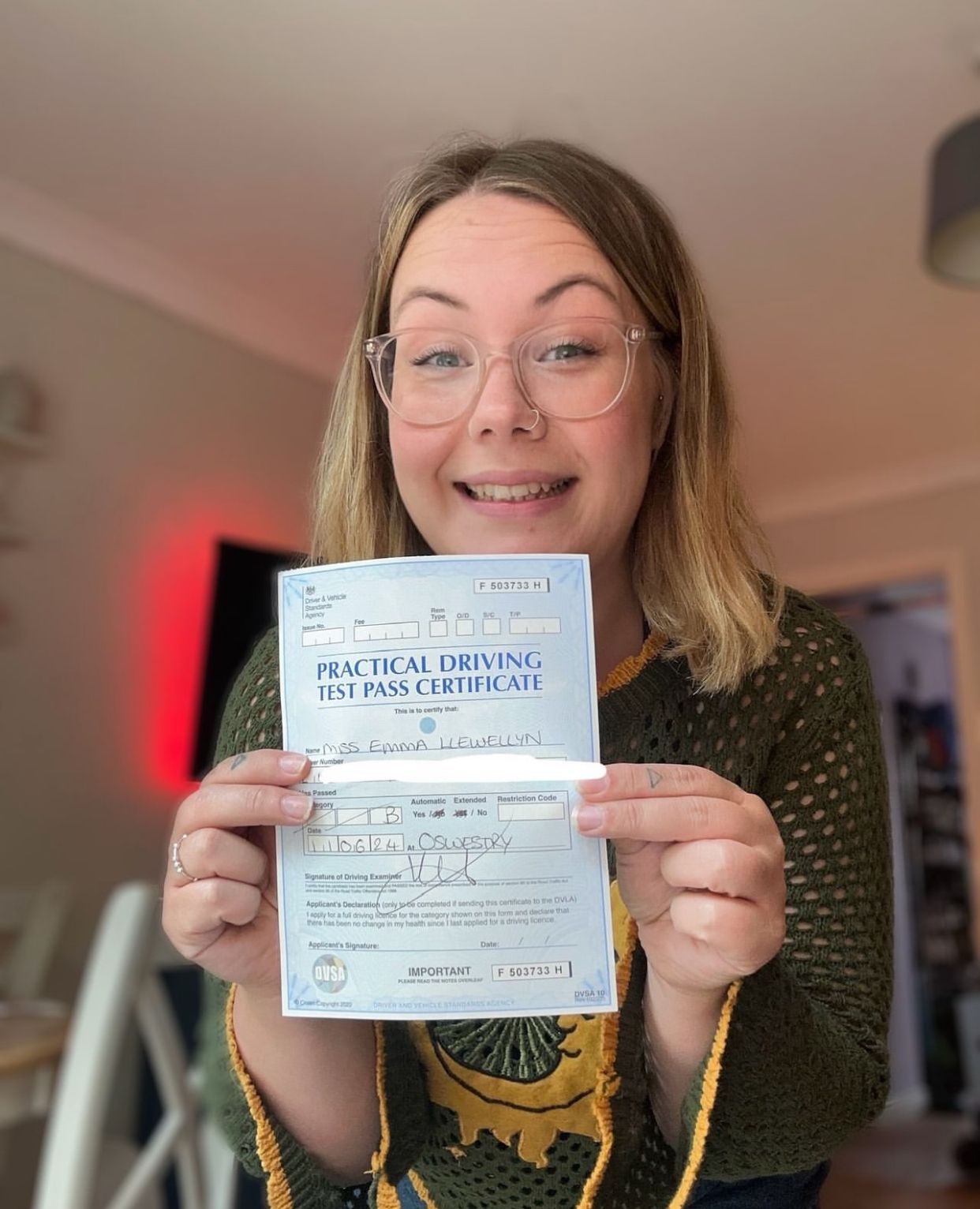
Understanding the UK Driving Licence: Your Comprehensive Guide
Getting a driving licence in the United Kingdom is an important action for numerous people, enabling them the liberty to drive independently. Nevertheless, the procedure of getting a UK licence can be complex, encompassing numerous phases that require comprehending both the legal requirements and the practicalities included. This article aims to provide a useful overview of the UK driving licence system, including the application process, kinds of licences, and typical questions that potential drivers might have.
Kinds Of UK Driving Licences
Drivers in the UK need to comprehend the various kinds of driving licences available. Each type serves a particular purpose and goes through various guidelines. Here are the main classifications:
-
Provisional Licence
- This is the first step in the driving licence process. A provisionary licence enables individuals to practice driving under particular conditions and is normally used for at age 17.
-
Complete Driving Licence
- As soon as a driver has passed both the theory and useful driving tests, they can get a full driving licence, which allows them to drive without supervision.
-
Unique Licences
- These include licences for larger vehicles (like buses and lorries), motorcycles, and more. Requirements can differ considerably depending on the lorry class.
-
European Union (EU) Licences
- EU citizens can drive in the UK with their current nationwide driving licences, however they may need to exchange their licence if they are remaining in the UK for a prolonged duration.
-
International Driving Permit (IDP)
- Non-UK homeowners might need an IDP to drive legally in Britain. This license should be obtained from their home nation.
The Application Process for a Provisional Licence
Obtaining a provisionary driving licence is the primary step toward driving in the UK. Here’s how individuals can apply:
-
Eligibility
- Candidates need to be at least 17 years of ages.
- They must be a homeowner of Great Britain and fulfill eyesight requirements.
-
Application
- Applications can be submitted online or by means of post. The application involves completing a D1 form offered at the Driver and Vehicle Licensing Agency (DVLA) or the majority of Post Office branches.
-
Documents Required
- Proof of identity (passport or birth certificate).
- A recent passport-sized picture.
- Payment for the application cost.
-
Waiting Period
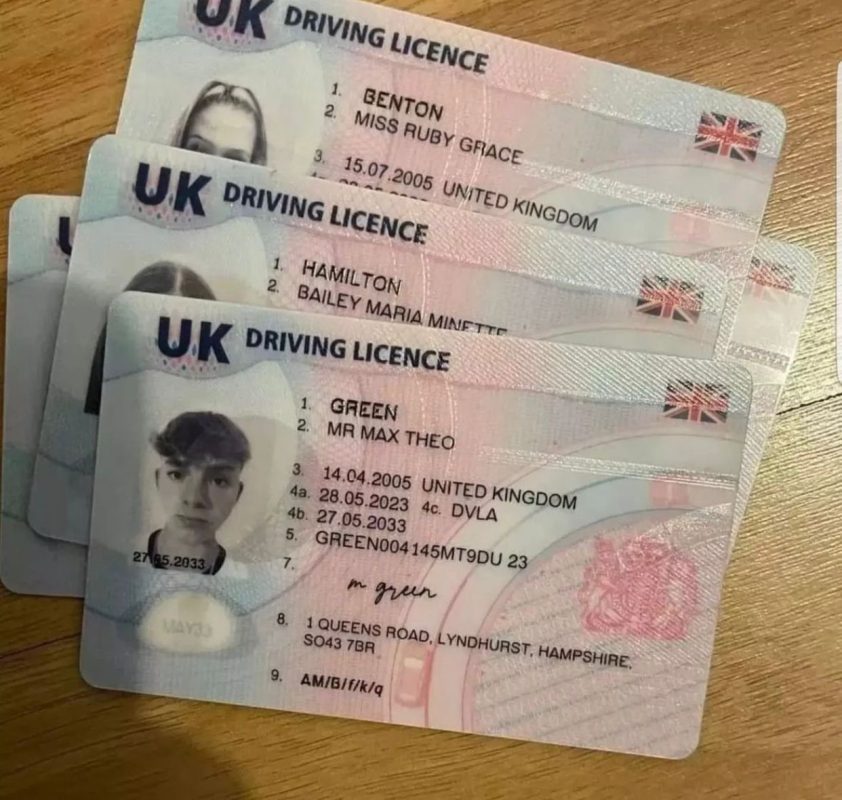
- Once submitted, the DVLA normally processes applications within three weeks, though this can differ.
Getting ready for the Driving Tests
To shift from a provisionary to a full driving licence, people must pass 2 vital tests:
1. Theory Test
-
Content
The theory test consists of a multiple-choice section focused on road signs, traffic laws, and safe driving methods, followed by a risk understanding test. -
Preparation
Research study products and practice tests are widely readily available, often provided by the DVLA or through numerous driving schools.
2. Dry run
-
Structure
The useful driving test assesses the candidate’s driving skills and understanding of roadway security. It includes manoeuvres, emergency situation stops, and observation abilities during a real driving session. -
Reserving
Candidates need to schedule their dry run online once they feel confident in their driving capabilities. Availability may differ, so early booking is advised.
What to Expect After Passing Both Tests
As soon as the tests are passed, the individual is released a full driving licence. Below are the essential features of a full UK driving licence:
-
Validity
A complete driving licence is generally legitimate for a duration of 10 years, after which it must be renewed. -
Points System
The UK uses a points-based system for driving offenses. Building up 12 points on your licence within 3 years can result in a disqualification from driving. -
Classifications of Vehicles
The full licence specifies the types of cars a driver is permitted to operate, based on the classifications passed throughout the tests.
FAQs about the UK Driving Licence
1. Just how much does it cost to look for a provisional licence?
The cost for a provisionary driving licence application is currently around ₤ 34 if done online and ₤ 43 through a paper application. Fees can differ, so checking the DVLA website for the most present details is advisable.
2. Can I drive with a provisionary licence?
Yes, a provisional licence allows you to drive just when accompanied by a certified driver, who should be at least 21 years old. Additionally, the supervising driver needs to have held their complete driving licence for at least 3 years.
3. How long does it take to get a full driving licence after passing the tests?
When the practical test is passed, applicants generally receive their complete driving licence within three weeks. Nevertheless, it can sometimes take longer depending upon processing times.
4. Do I need to take a theory test if I held a foreign driving licence?
It depends. Drivers with a valid EU licence can typically drive in the UK without taking a theory test. Nevertheless, non-EU residents might need to pass the theory and dry runs to obtain a UK licence.
5. What should I do if I lose my driving licence?
If a driving licence is lost or stolen, people ought to report it to the DVLA right away. They can then look for a replacement licence online or by means of post, for which there is a cost.
Navigating the UK driving licence system requires patience and understanding of the various stages involved. From using for a provisionary licence to passing driving tests and receiving a full licence, each step plays a crucial function in making sure that drivers are well-prepared for life on the roadway. By familiarising themselves with the process and resolving any questions, prospective drivers can approach acquiring their UK driving licence with self-confidence.